
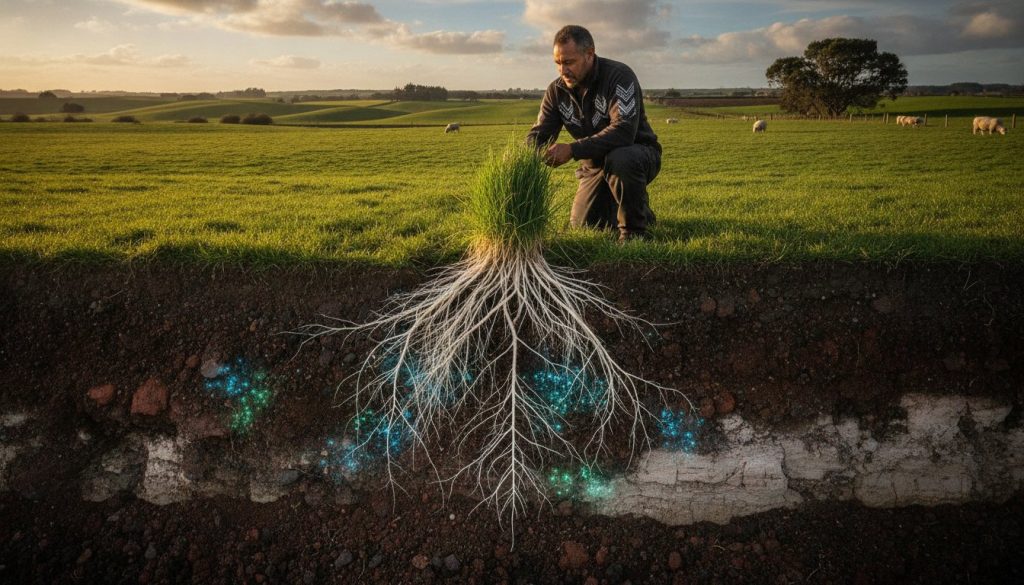
Could the traditional reliance on high-cost synthetic fertilisers actually be hindering your pasture’s ability to survive the next dry spell? For many New Zealand growers, the cycle of increasing inputs alongside rising soil compaction in heavy clay or volcanic regions has become an unsustainable burden. It’s a common frustration to see crops struggle during our increasingly unpredictable drought cycles, often because the root architecture hasn’t been given the biological tools to reach deeper moisture. When you choose to enhance root development naturally, you stop fighting against the soil and start working with its inherent biological potential.
We understand that maintaining a productive farm requires more than just temporary growth; it demands a fundamental commitment to long-term ecological health and soil vitality. This guide provides a clear pathway to building more resilient crops by leveraging certified organic microbial technology. You’ll discover the specific biological mechanisms that drive nutrient uptake efficiency and how proprietary strains found in Quantum-VSC® and Quantum Organic-Total® can physically restructure your soil. We’ll outline the practical steps to move away from synthetic dependence and toward a robust, self-sustaining system that improves both drought tolerance and the overall health of your paddocks.
Key Takeaways
- Understand the critical difference between simple root mass and true root efficiency to unlock the productive potential of the “Hidden Half” of your plants.
- Discover how beneficial soil microorganisms communicate with plant systems to enhance root development naturally through the exchange of hormones and exudates.
- Identify the physical and chemical barriers, such as soil compaction and high-salt fertilisers, that frequently limit root expansion in New Zealand’s unique volcanic and clay soils.
- Learn a practical five-step inoculation framework designed to help you assess current paddock health and prepare your environment for successful biological integration.
- Explore how BioGro NZ certified technologies like Quantum-VSC® can restore soil vitality and build long-term resilience against environmental stressors and drought.
Understanding the ‘Hidden Half’: Why Root Architecture Matters
The success of a New Zealand paddock or orchard is often judged by the height of the pasture or the yield of the fruit, yet the most critical biological activity occurs entirely out of sight. We refer to this as the “Hidden Half”. Natural root development isn’t simply about the sheer volume of biomass beneath the surface; it’s about the strategic architecture that allows a plant to thrive. To enhance root development naturally, growers must transition their focus from total root mass to root efficiency. While a dense mat of shallow roots might look impressive, it often fails to provide the resilience needed in the open fields of the Waikato or the stony soils of Central Otago.
The rhizosphere functions as the primary engine for nutrient uptake. It’s a biological marketplace where the plant trades sugars for minerals. In commercial agriculture, achieving a high-performing rhizosphere means your crops can access locked-up phosphorus and trace elements without constant chemical intervention. Deeper root systems act as the first line of defence against New Zealand’s variable rainfall patterns. When the topsoil dries out during a typical Kiwi summer, plants with deep, efficient architecture can tap into subsoil moisture reserves that shallow-rooted competitors simply cannot reach.
The Anatomy of a High-Performing Root System
Primary roots provide the essential anchorage, driving deep into the profile to secure the plant against the wind. Lateral roots then branch out, acting as sophisticated scavengers that explore the soil matrix for pockets of nutrients. The real work, however, happens at the microscopic level with root hairs. These tiny extensions dramatically increase the surface area available for water absorption. The rhizosphere is the narrow zone of soil surrounding a plant root that is directly influenced by root secretions and associated soil microorganisms.
Economic Impacts of Poor Root Development
Poor root development isn’t just a biological issue; it’s a significant financial drain. Shallow systems require more frequent irrigation, which increases operational costs and heightens the risk of fertiliser leaching into local waterways. Over-reliance on synthetic fertilisers often creates “lazy roots” that stay near the surface where nutrients are easily accessible. This dependency becomes a massive liability during drought conditions when the plant lacks the depth to survive. By choosing to enhance root development naturally, you invest in the long-term vigour of your land and reduce the need for expensive, temporary fixes.
The Biological Mechanics of Root Expansion
Building a deep root system involves a sophisticated biological dialogue between the plant and the soil microbiome. To enhance root development naturally, growers must look beyond simple nutrient application and consider the hormonal signals that dictate plant behaviour. While synthetic growth regulators often force a specific response that can lead to plant stress, biological stimulation encourages the plant to manage its own growth based on environmental conditions. This natural process is driven by three primary factors: microbial activity, root exudates, and the production of phytohormones like auxins. Growth requires energy. By focusing on these triggers, you create a self-sustaining cycle of expansion that synthetic alternatives cannot replicate.
Microbial Influence on Auxin Production
Beneficial soil microbes act as chemical messengers within the rhizosphere. When specific strains colonise the root zone, they stimulate the plant to increase its own production of auxins, the hormones responsible for cell division and root elongation. This is not just about growth; it’s about functionality. A diverse microbial population helps unlock phosphorus that is often “tied up” in New Zealand’s clay-rich soils, making it available for the high-energy process of root building. These microbes also produce secondary metabolites that protect the new root tissue from pathogens, ensuring that the energy the plant invests in expansion is not wasted.
Photosynthetic Bacteria: Fueling the Root Zone
One of the most innovative aspects of modern microbial technology is the inclusion of photosynthetic bacteria. These organisms function like tiny solar panels in the soil, capturing light energy and converting it into carbon-based fuels. This extra energy is then diverted back to the plant, which in turn releases more root exudates to feed the surrounding microbiome. Understanding how beneficial soil microorganisms for plants create this self-sustaining loop is key to long-term paddock health.
When this energy loop is established, the plant can afford to send roots deeper into the profile without sacrificing top-growth vigour. This biological synergy is exactly what products like Quantum-VSC® are designed to support. If you’re looking to transition toward a more sustainable system, you can explore microbial solutions that align with the natural rhythms of your land. By integrating these biological mechanics into your management plan, you significantly improve the resilience of your crops against New Zealand’s climate variability, ensuring they have the energy and the architecture to withstand the dry seasons.
Optimising the Paddock Environment for Natural Growth
Even the most sophisticated biological signals cannot overcome a physically hostile soil environment. In many parts of New Zealand, from the Northland clays to the silt loams of Canterbury, soil compaction remains a silent thief of productivity. When air and water cannot move freely through the soil profile, roots are forced to expend excessive energy just to penetrate the surface. To enhance root development naturally, we must address these structural limitations by fostering soil aggregation. Healthy soil structure creates the necessary “highways” for root expansion, allowing the “Hidden Half” of the plant to reach its full genetic potential without being restricted by physical barriers.
The chemical environment is equally decisive. High-salt fertilisers and extreme pH imbalances can physically damage the delicate root hairs responsible for water absorption. When the soil solution is too saline, it creates osmotic stress that pulls moisture away from the plant, effectively dehydrating the very tissues meant to absorb it. By maintaining a balanced soil chemistry and high organic matter levels, you provide a buffer that protects the root zone and retains essential moisture during the dry summer months common in our local climate.
Breaking Through Soil Compaction Naturally
Mechanical aeration often provides only a temporary fix, as it can lead to further compaction at the plow pan level over time. A more sustainable approach involves the use of microbial glues, specifically a protein called glomalin. These carbon-rich substances, produced by beneficial soil microorganisms, bind individual soil particles into stable aggregates. This process, which we call “biological tilling,” creates permanent pore spaces that improve aeration and drainage. For those managing heavy New Zealand clay soils, this natural restructuring is the only way to build long-term resilience without repeatedly damaging the soil’s delicate biological network.
The Fertiliser Trap: Why More Nitrogen Isn’t the Answer
Chemical dependency often leads to root atrophy. When a plant is flooded with easily accessible, synthetic nitrogen, it stops investing energy into its root system, resulting in “lazy” plants that are highly vulnerable to environmental stress. This dependency becomes a major liability during a drought when the shallow root system cannot access deeper water reserves. Transitioning to a balanced, biological approach ensures that nutrients are delivered in a way that encourages exploration rather than dependency. For a more detailed look at this strategy in a large-scale setting, you can explore our microbial solutions for field crops. By reducing chemical toxicity in the rhizosphere, you create a sanctuary where you can enhance root development naturally while protecting the organic matter that serves as your soil’s primary moisture reservoir.
How to Enhance Root Development: A 5-Step Inoculation Guide
Transitioning from theoretical biology to paddock-level results requires a methodical approach. To enhance root development naturally, you must move beyond the “spray and pray” mindset and adopt a structured framework that respects the soil’s existing ecosystem. This five-step process ensures that your investment in microbial technology translates into tangible improvements in crop resilience and soil structure. By focusing on assessment and precise application, you can bypass the limitations of synthetic regulators and build a self-sustaining underground architecture.
Step 1 & 2: Assessment and Soil Preparation
Success begins with a spade. Conducting a simple spade test allows you to evaluate the current state of the “Hidden Half” by observing root depth, branching patterns, and the presence of beneficial organisms like earthworms. If you find roots are turning sideways or restricted to the top 10 centimetres, you are likely facing compaction issues. Before applying any biologicals, it’s essential to address extreme pH imbalances or drainage problems that could inhibit microbial colonisation. Timing is equally critical; applying inoculants during early growth stages or at planting ensures the microbes can establish themselves alongside the developing root system, providing support when the plant is most receptive to hormonal signals. This same biological principle is why understanding how to reduce transplant shock in seedlings is so valuable — pre-colonising root systems before they face the stress of relocation gives your crops the best possible start.
Step 3: Applying Microbial Inoculants Correctly
The method of delivery determines the efficiency of colonisation. Liquid microbial treatments are generally preferred for New Zealand broadacre and horticultural operations because they offer more uniform coverage across the paddock. Whether you utilise fertigation systems or standard boom spraying, the goal is to ensure the microbes reach the rhizosphere where they can begin their symbiotic work. Using BioGro NZ certified microbial solutions ensures that you are introducing high-quality, verified strains without compromising your organic integrity or introducing synthetic contaminants. This certification is your guarantee that the technology meets the rigorous standards required for sustainable New Zealand agriculture.
Quantum-VSC® should be applied with enough water to carry the microbes into the soil profile, away from direct UV exposure which can degrade sensitive strains. Once applied, these organisms begin to physically restructure the soil, creating the aggregates mentioned in previous sections. This step is the most direct way to enhance root development naturally while simultaneously improving the long-term moisture-holding capacity of your land.
Step 4 & 5: Support and Monitor
Maintenance is a biological process, not a one-off event. Supporting the newly established microbiome involves managing nutrient applications to avoid the “fertiliser trap” of high-salt inputs that can harm delicate microbes. Monitoring progress is best achieved through regular root digs and the use of a refractometer to check brix levels in the plant sap. High brix readings often correlate with superior root exudate production, signalling that the plant has the energy surplus required to continue its downward expansion. By tracking these metrics over the season, you can verify the effectiveness of your biological programme and adjust your management for the following year.

Building Long-Term Resilience with Quantum-VSC®
The transition toward a biological management system concludes with a focus on long-term resilience and recovery. While previous sections detailed the mechanics and environment required to enhance root development naturally, the selection of the right microbial tool is what ensures these gains are permanent. Quantum-VSC® serves as a specialised solution designed for both root enhancement and rapid stress recovery. It’s not a temporary stimulant; it’s a way to re-establish the biological infrastructure that modern agricultural practices often inadvertently strip away. By prioritising the health of the rhizosphere, you prepare your land for the challenges of an increasingly variable climate.
Full-cycle soil health is best achieved through the synergy between Quantum-VSC® and Quantum Organic-Total®. While the former focuses on the physical expansion and resilience of the root system, the latter provides the foundation for total soil vitality. This combination ensures that the plant has both the architecture to reach nutrients and the biological support to process them efficiently. This integrated approach is especially relevant for those looking to move beyond the limitations of synthetic inputs and build a legacy of fertile, productive soil.
Restoring Vitality After Soil Disturbance
Soil disturbance, whether through heavy tilling or chemical fumigation, often leaves a “biological vacuum” that can be quickly filled by opportunistic pathogens. Quantum-VSC® helps repopulate the soil with beneficial microbes, effectively jump-starting the natural recovery process. The speed of recovery is significantly increased when using concentrated microbial inoculants compared to waiting for indigenous populations to recover on their own. Quantum-VSC® is BioGro certified for use in organic New Zealand agriculture. This certification provides growers with the confidence that they are using a product that aligns with the highest environmental standards while delivering professional-grade results in the paddock.
Drought and Heat Resilience
As New Zealand faces more frequent El Niño cycles, the ability of a crop to maintain water-use efficiency (WUE) becomes a matter of economic survival. Deeper, more complex root systems allow plants to access subsoil moisture that remains unavailable to shallow-rooted crops. The microbes within Quantum-VSC® assist in this process by maintaining the integrity of the root-soil interface, even when moisture levels drop. This biological support is a critical component of managing heat stress in crops naturally, as it prevents the plant from shutting down during peak temperatures.
Investing in your soil’s biological capacity is the most effective way to enhance root development naturally and secure your farm’s future. If you’re ready to see how these microbial technologies can transform your results, you can enquire about Quantum-VSC® for your orchard or paddock today. By choosing a principled, evidence-based approach to soil health, you ensure that your crops are resilient, your soil is fertile, and your operation is sustainable for generations to come.
Securing Your Farm’s Underground Future
The path to a more resilient paddock or orchard starts with a fundamental shift in how we view the soil. Transitioning from a reliance on synthetic inputs to a system that prioritises biological efficiency allows your crops to develop the deep, robust architecture needed to navigate New Zealand’s changing climate. We’ve explored how understanding the “Hidden Half” and addressing physical barriers like compaction can fundamentally change your yield potential. When you choose to enhance root development naturally, you aren’t just applying a product; you’re restoring a vital ecosystem that has been trusted by commercial orchardists and broadacre farmers across the country.
Utilising proprietary Quantum microbial technology ensures your land remains productive even during challenging El Niño cycles. Our BioGro NZ certified solutions provide a verified, principled way to restore soil vitality without compromising organic integrity. To take the next step in your biological journey, Download our Grower Guide to Microbial Soil Health and discover how to build a legacy of fertile, resilient soil. Your land holds incredible potential just beneath the surface; it’s time to give it the biological tools it needs to thrive.
Frequently Asked Questions
Can I use microbial inoculants alongside my existing fertiliser programme?
Yes, microbial inoculants are fully compatible with most conventional fertiliser programmes. They often improve the efficiency of your existing inputs by converting locked-up minerals into plant-available forms. However, you shouldn’t mix concentrated microbes directly with high-salt synthetic fertilisers or biocides in the tank, as these harsh chemicals can reduce microbial viability before they reach the paddock. It’s best to apply them as a separate pass or through a dedicated fertigation line.
How long does it take to see visible changes in root development?
Visible changes typically occur within four to six weeks in fast-growing pasture or vegetable crops, though deep structural changes in orchards may take a full season. You’ll often notice improved brix levels and better moisture retention in the soil before you see the physical expansion of the root architecture. Consistent application is the most reliable way to enhance root development naturally and build long-term resilience across varying soil types.
Is it possible to over-stimulate root growth naturally?
No, natural root development is a self-regulating biological process managed by the plant’s own energy reserves. Unlike synthetic growth regulators that can force imbalanced growth and lead to plant stress, microbes simply facilitate the plant’s inherent genetic potential. The plant will only invest as much energy into root expansion as it can afford through photosynthesis, ensuring a balanced and sustainable growth habit that won’t compromise top-growth vigour.
Will these natural methods work in heavy New Zealand clay soils?
Yes, these methods are particularly effective in the heavy clay soils common in regions like Northland and the Waikato. Microbial glues such as glomalin help bind tiny clay particles into larger, stable aggregates, creating the pore spaces needed for air and water movement. This biological restructuring is often more effective than mechanical aeration because it addresses the root cause of compaction without damaging the soil’s delicate internal structure.
What is the best time of year to apply root-enhancing biologicals?
The best time for application is during periods of active root growth, typically in early spring or autumn. Applying inoculants at planting or during the first flush of seasonal growth ensures that the microbes can colonise the rhizosphere as it expands. It’s also highly beneficial to apply them before periods of predicted environmental stress, such as a dry summer, to ensure the root system is prepared for the challenge.
Are these microbial products safe for use around livestock and waterways?
Yes, our microbial solutions are entirely safe for use around livestock and local New Zealand waterways. Because products like Quantum-VSC® are BioGro NZ certified and contain naturally occurring soil microbes, they don’t carry the toxicity risks associated with synthetic chemicals. They actually help protect waterways by improving nutrient uptake efficiency, which significantly reduces the risk of fertiliser leaching and runoff into our sensitive aquatic ecosystems.
How do I know if my soil is lacking the necessary microbes for root health?
You can identify a microbial deficit through physical indicators like persistent soil compaction, slow decomposition of organic matter, or plants that show poor drought tolerance. If a spade test reveals roots that are shallow, discoloured, or lack fine root hairs, it’s a strong sign that the biological dialogue in your rhizosphere has been disrupted. Re-inoculating the soil is the most direct way to enhance root development naturally and restore health.
Does Quantum-VSC® require special storage or handling on the farm?
Quantum-VSC® is designed for practical farm use and remains stable when stored correctly in a standard farm shed. You should keep the containers in a cool, dark place out of direct sunlight to protect the live microbial strains from UV degradation. Unlike some biological products, it doesn’t require refrigeration, provided it’s kept away from extreme heat sources, making it a convenient and reliable addition to any New Zealand farming operation.
Disclaimer
Important: This article provides general agricultural information only. Product performance can vary according to crop, soil, climate, management practices and application conditions. Trial or research results discussed may have been obtained under specific conditions and should not be interpreted as a guarantee of equivalent results. Always follow current product directions and confirm suitability for your crop, growing system and organic certification requirements. Contact QANZ for current product and application information.
