
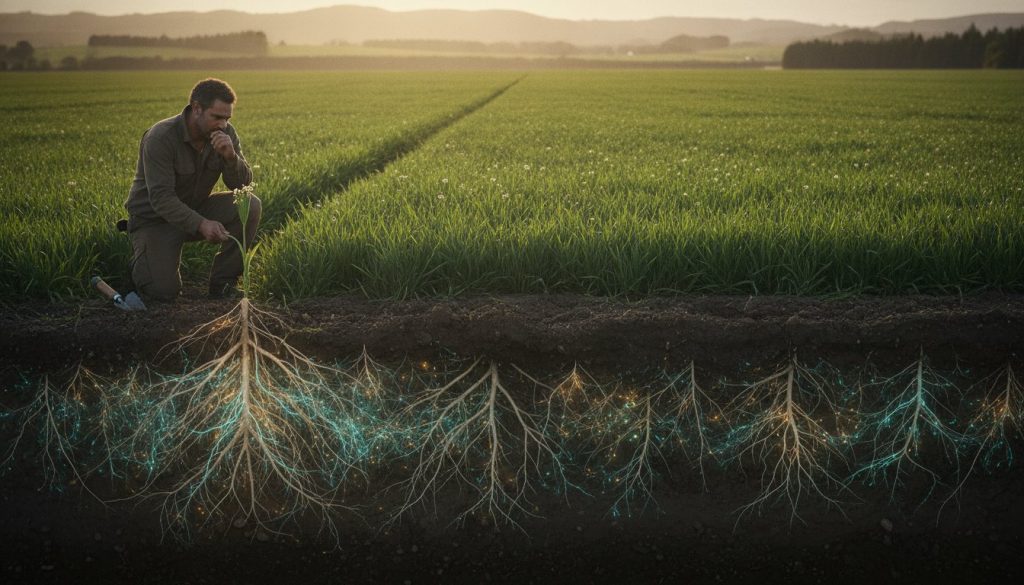
Why is it that despite increasing your fertiliser spend, your paddocks are still prone to compaction and your crops seem more vulnerable to the dry than ever before? Across New Zealand, from the drought-affected plains of Canterbury to the intensive dairy blocks of the Waikato, growers are realising that their soil is far more than just a medium for holding plants. It’s a complex biological engine that has, in many cases, been pushed to its limits. Learning how to increase microbial activity in soil is no longer just a niche interest for organic specialists; it’s a financial necessity for any commercial operation looking to break the cycle of diminishing returns and rising input costs.
You’ve likely noticed that traditional chemistry isn’t solving the structural issues or the nutrient lockout currently limiting your yield. This guide provides the scientific principles and practical strategies you need to revitalise your soil microbiome for superior crop resilience and yield. We’ll explore how targeted microbial solutions can restore natural nutrient cycling, improve water retention, and help you build a more sustainable, high-performing farm system that works in harmony with the unique New Zealand environment.
Key Takeaways
- Discover how a diverse microbial “labour force” manages critical nutrient cycling and root development to enhance crop health and resilience.
- Understand the “synthetic trap” where over-application of high-nitrogen fertilisers can inadvertently suppress the natural biological processes your soil depends on.
- Master practical, field-proven strategies for how to increase microbial activity in soil through reduced tillage and the preservation of organic matter.
- Explore the “liquid advantage” of BioGro certified microbial technologies designed to introduce beneficial photosynthetic bacteria for rapid, effective colonisation.
- Identify how shifting your focus to soil biology can reduce reliance on expensive synthetic inputs while improving overall paddock structure and water retention.
Understanding Soil Microbial Activity: More Than Just Dirt
Soil is often treated as a static reservoir for chemical inputs, but it’s actually a living, breathing ecosystem. When we talk about soil microbial activity, we’re referring to the collective respiration and metabolic processes of billions of organisms, including bacteria, fungi, and archaea. A single teaspoon of healthy pasture soil can contain more microorganisms than there are people on Earth. These microbes are the primary recyclers of the natural world, breaking down organic matter to release vital elements. Understanding Soil microbiology is the first step for any grower asking how to increase microbial activity in soil. In New Zealand, decades of intensive land use have frequently stripped these biological workforces from our paddocks. We are often left with “dirt,” which is the inert mineral material, rather than “soil,” which is a functional biological engine. This distinction is critical; New Zealand loses an estimated 192 million tonnes of soil to erosion each year, a figure that highlights the fragility of our land when biological structures fail. This biological workforce is responsible for everything from disease suppression to water holding capacity, and when we ignore the life beneath our boots, we become reliant on increasingly expensive synthetic interventions.
The Biological Engine of Your Farm
Microbes don’t just exist in the soil; they actively build it. They function by transforming locked-up minerals into soluble, plant-available nutrients, which is essential for reducing your reliance on synthetic fixes. Phosphorus is a prime example; while one-third of our soils have high phosphorus levels, much of it remains chemically bound without microbial intervention. Beyond nutrient cycling, fungi produce a sticky protein called glomalin. This biological glue binds soil particles into stable aggregates, creating the pore spaces required for aeration and water infiltration. Without this architecture, soil becomes prone to compaction, a condition currently affecting over 65% of tested dairy sites in New Zealand.
Why Microbial Populations Decline
Populations crash when their habitat is disturbed. Excessive tillage physically shears fungal hyphae networks, while high-salt synthetic fertilisers can dehydrate sensitive microbial populations through osmotic pressure. Additionally, when plants receive constant synthetic nitrogen, they stop secreting the carbon exudates that normally feed the soil microbiome. This effectively shuts down the biological engine. If you want to know how to increase microbial activity in soil, you must address these systemic stressors. Moving away from monocultures toward diverse pasture mixes also ensures a varied diet for these essential organisms, preventing a biological bottleneck in your soil.
The Role of Beneficial Soil Microorganisms for Plants
Think of the microorganisms in your paddock as a diverse workforce where every member holds a specific trade certificate. They aren’t a monolith. Different species perform highly specialised roles that keep the biological engine running. For instance, nitrogen-fixing bacteria, or diazotrophs, pull nitrogen from the atmosphere and convert it into a form your crops can actually digest. In New Zealand, where approximately one-third of tested soils show phosphorus levels that are technically high but chemically locked, phosphorus-solubilising microbes are essential. They produce organic acids that “unlock” these minerals from soil particles, making them available to the plant without the need for more bagged fertiliser. Understanding these roles is the key to knowing how to increase microbial activity in soil for better efficiency. The soil microbiome also includes unique photosynthetic bacteria. These organisms are particularly valuable because they provide a steady energy source to other microbes even deep below the surface, acting as a biological battery for the entire system.
Nutrient Cycling and Mineralisation
Microbes are the primary drivers of mineralisation, the process of turning organic residues like crop stubble or effluent into stable humus. This isn’t just about waste disposal; it’s about building long-term soil health. A balanced bacteria-to-fungi ratio is vital here. While bacteria are excellent at rapid nutrient turnover, fungi are the masters of building stable carbon and soil structure. When these populations are thriving, they help hold nutrients in the root zone. This significantly reduces the risk of nutrient leaching into our precious New Zealand waterways, a concern that continues to drive tighter environmental regulations across the primary sector. Implementing specialised microbial solutions can help restore this balance in intensive systems.
Disease Suppression and Stress Resilience
Healthy microbial populations provide a “living shield” for your crops through competitive exclusion. Simply put, when beneficial microbes occupy all the available space and food around a root, pathogens can’t get a foothold. Some specific strains even trigger Induced Systemic Resistance (ISR), which is essentially like giving the plant an immune system boost before a disease arrives. This resilience is becoming critical as New Zealand’s climate shifts. At the end of Autumn 2026, soil moisture levels were recorded as being considerably lower than normal in eastern parts of Canterbury and inland Otago. Microbes help plants survive these dry spells by producing mucilage that keeps the root zone hydrated and by stimulating deeper root development. Learning how to increase microbial activity in soil is your best insurance policy against the increasingly unpredictable Tasman weather patterns.
The Synthetic Trap: Why More Fertiliser Can Mean Less Activity
The reliance on synthetic fertilisers has created a paradox in New Zealand agriculture. While these inputs provide an immediate flush of growth, they often come at a hidden biological cost. High-nitrogen fertilisers can effectively “turn off” the plant’s natural communication with the soil. In a healthy system, plants secrete carbon-rich exudates to attract and feed beneficial organisms. When we spoon-feed crops with readily available minerals, the plant ceases this trade, causing the soil workforce to go dormant or die off. This is a primary hurdle for growers seeking Understanding and Managing Soil Microbes in a commercial setting.
Many synthetic fertilisers also carry a high salt index. This creates osmotic stress, essentially pulling water out of the tiny cells of bacteria and fungi, leading to widespread dehydration. If you are struggling with how to increase microbial activity in soil, you must evaluate the salt load of your current nutritional program. A “sterile” soil requires even more synthetic input to maintain production because the natural nutrient-cycling mechanisms have been dismantled. It’s a cycle of dependency that leaves crops more susceptible to environmental stressors, such as the lower-than-normal soil moisture levels recorded in early 2026 across the Waikato and Manawatū-Whanganui. Breaking this cycle requires a fundamental shift from feeding the crop to feeding the soil ecosystem.
The Problem with Spoon-Feeding
Chemical over-supply breaks the symbiotic bond between roots and the microbiome. This has a direct economic impact. When the biological “unlocking” of minerals stops, you’re forced to pay for every unit of nutrient the plant requires, even if those minerals are already present in the soil profile but are chemically bound. Transitioning to a biological-first approach doesn’t mean stopping all inputs overnight. It involves gradually reducing the synthetic load while reintroducing the microbial life necessary to take over the heavy lifting of nutrient delivery without compromising immediate yield.
Restoring Balance After Chemical Disturbance
Restoring soil after heavy herbicide use or fumigation requires more than just time. It requires active re-seeding. Just as you wouldn’t expect a paddock to regrow high-quality pasture without seed, you can’t expect a complex microbiome to reappear in sterile ground without intervention. Microbial inoculants play a vital role here, acting as a starter culture to repopulate the soil. Monitoring this progress requires looking beyond traditional N-P-K tests. Growers should pay attention to indicators like soil respiration, aggregate stability, and the presence of earthworms, which serve as visible proxies for the invisible microbial activity beneath. Learning how to increase microbial activity in soil is about creating an environment where these organisms can thrive long-term.
5 Proven Methods to Increase Microbial Activity
Building biological resilience is a deliberate process. If you’re looking for how to increase microbial activity in soil, you’ve got to focus on both the habitat and the life within it. A holistic approach pairs structural management with biological reintroduction. By implementing these five strategies, you can transform a stagnant paddock into a high-performing biological engine.
- Increase Soil Organic Matter (SOM): This is the primary fuel for microbial growth. Without a steady supply of carbon-rich material, your microbial workforce will starve and decline.
- Reduce Tillage: Mechanical disturbance physically tears the delicate fungal hyphae networks essential for nutrient transport. Minimal tillage preserves these biological structures.
- Diverse Crop Rotations: Different plants secrete different exudates, supporting a wider variety of microbial species. Diverse cover crops ensure a year-round food supply.
- Optimise Moisture and Aeration: Microbes require oxygen and water to thrive. Preventing anaerobic conditions is vital, as waterlogged, compacted soils favour pathogens over beneficial organisms.
- Strategic Microbial Inoculation: In systems where biology has been depleted, natural recovery is slow. Introducing targeted, high-performing strains can jump-start the system and restore functional diversity.
Practical Environmental Management
Armouring the soil is a fundamental step in protecting your biological investment. Bare earth is a biological desert; it’s subject to extreme temperature fluctuations and erosion. Using mulch or living plants to regulate soil temperature keeps microbes active even in the height of summer. This is particularly important because in early 2026, soil moisture levels were considerably lower than normal across eastern Canterbury and inland Otago. Machinery management is also critical to avoid compaction. Since 65.1% of New Zealand dairy sites currently test below target ranges for macroporosity, reducing heavy traffic is essential to maintain the pore spaces where microbes live and breathe.
The Liquid Inoculation Advantage
Building organic matter is a long-term goal, but liquid inoculants offer a targeted shortcut for rapid results. Liquid microbial soil treatment provides superior distribution compared to granular amendments. The water carrier allows microbes to move through the soil profile and reach the root zone faster. This is where the liquid advantage becomes clear; it enables rapid colonisation of the rhizosphere, providing immediate support for crop health. These treatments integrate easily into existing irrigation or spray programmes, making them a practical addition to any commercial operation. To begin revitalising your paddocks, consider using BioGro certified liquid microbial technologies to introduce a diverse consortium of beneficial organisms directly to your soil.
The GrowQanz Approach: Quantum Microbial Technology
GrowQanz provides a scientifically verified pathway for those seeking how to increase microbial activity in soil through 100% natural, BioGro certified technologies. Our approach moves beyond the temporary fix of synthetic inputs, focusing instead on restoring the biological engine of the land. By introducing high-performing, diverse microbial consortia, we help growers move from a state of chemical dependency to one of biological self-sufficiency. This isn’t about guesswork; it’s about applying precise biological tools designed for the unique challenges of New Zealand’s primary sector. Whether you’re managing intensive dairy pasture or high-value horticultural blocks, our solutions integrate seamlessly with both conventional and regenerative farming frameworks.
Quantum Organic-Total® stands as our flagship solution, providing a diverse consortium of microbes that includes unique photosynthetic bacteria. These organisms are a critical differentiator; they function as a biological battery, capturing energy to drive soil metabolic processes even in the deeper layers of the soil profile. To complement this, Quantum-VSC® focuses on enhancing root development and plant resilience. It works by colonising the rhizosphere and outcompeting pathogens through competitive exclusion, ensuring your crops can withstand the environmental stressors that are becoming more common across the New Zealand landscape. Using these products together provides a comprehensive strategy for anyone investigating how to increase microbial activity in soil while reducing their reliance on synthetic fertilisers.
BioGro Certified for Peace of Mind
In New Zealand, BioGro certification is the gold standard for environmental integrity. For both organic and conventional growers, this certification provides the assurance that our inputs meet the highest standards of purity and safety. It guarantees that you aren’t introducing synthetic contaminants into your ecosystem, protecting the long-term viability of your land. As environmental regulations tighten and consumer demand for sustainable produce grows, using verified biological solutions ensures your operation remains compliant and competitive in the global market.
Implementing a Microbial Programme
Starting a microbial programme is a straightforward process that begins with identifying the specific needs of your crop type. While you’ll often see improvements in plant vigour and root health within a few weeks, the structural benefits, such as improved water retention and reduced compaction, typically develop over a full growing season. For a detailed breakdown of the investment required, you can view our Quantum Organic-Total cost-benefit analysis. If you’re managing broadacre operations, our guide on microbial solutions for field crops provides specific strategies for enhancing soil vitality in large-scale systems. The transition to a biological-first approach is a journey toward a more resilient and profitable farm system.
Cultivating Long-Term Resilience in New Zealand Soils
Transitioning from a purely chemical approach to a biological one is a strategic investment in your farm’s future. You’ve seen how the “synthetic trap” can stall your soil’s natural productivity and how specific management practices, like reducing tillage and increasing organic matter, provide the foundation for recovery. Mastering how to increase microbial activity in soil is the first step toward breaking the cycle of high inputs and diminishing returns. By focusing on the living component of your land, you’re building a system that can better handle the climatic shifts and environmental pressures facing New Zealand growers today.
Our team provides 100% natural microbial technology backed by proven technical support for local field conditions. Whether you’re in the dairy, horticulture, or cropping sector, these BioGro certified solutions are designed to integrate with your existing systems for tangible results. View the GrowQanz range of BioGro certified microbial solutions to start revitalising your soil biology today. Restoring the natural balance of your land is a practical, evidence-based path toward superior yields and a more sustainable agricultural legacy for the generations to come.
Frequently Asked Questions
How long does it take to increase microbial activity in soil?
You’ll typically see an increase in biological activity and plant vigour within two to four weeks of a targeted treatment. While colonisation of the rhizosphere is rapid, significant improvements to soil structure and aggregate stability usually require a full growing season to manifest. This timeline is essential for growers asking how to increase microbial activity in soil; it’s a cumulative process that rewards consistent management rather than one-off applications.
Can I use microbial inoculants alongside traditional fertilisers?
Yes, you can integrate microbial treatments with traditional fertilisers, provided you avoid high-salt concentrations that can dehydrate the organisms. Most growers successfully use microbial solutions alongside their existing nutritional programmes to improve efficiency. It’s vital to avoid mixing concentrated fertilisers directly with inoculants in the same tank. Applying them separately ensures your microbes survive to perform the critical work of nutrient cycling and mineralisation in the paddock.
What are the signs of low microbial activity in my paddock?
Common indicators of poor biological health include slow crop residue breakdown, surface crusting, and a lack of visible earthworms. If your crop stubble remains on the surface for months without decomposing, it’s a clear sign that your biological recyclers are dormant. You might also notice poor water infiltration and increased soil compaction despite regular irrigation. Healthy soil should have a distinct earthy smell and a crumbly, well-aggregated structure.
Do soil microbes survive the winter in New Zealand?
Yes, native and introduced soil microbes survive the winter by entering a state of dormancy or slowing their metabolic rates as temperatures drop. Most beneficial organisms are remarkably resilient to New Zealand’s cooler months, though their activity levels will naturally decrease. Applying treatments in late autumn can help establish populations before the coldest weather hits. This ensures they’re ready to support early root growth and nutrient uptake as soon as the ground warms in spring.
Is it possible to “over-apply” beneficial microorganisms?
It is virtually impossible to over-apply beneficial microbes, as their populations are naturally limited by the available food and habitat in your soil. Unlike synthetic fertilisers, which can cause nutrient lockout or root burn if overused, biological treatments are self-regulating. If you apply more microbes than the soil can support, the excess will simply die off or remain dormant. The real focus should be on the diversity and quality of the strains introduced.
How does tilling affect the microbial workforce?
Tilling physically disrupts the soil ecosystem, shearing fungal hyphae and destroying the stable aggregates that microbes call home. Frequent mechanical cultivation is one of the fastest ways to deplete biological health. It exposes subterranean organisms to UV light and rapid drying while collapsing the pore spaces required for aeration. If you’re investigating how to increase microbial activity in soil, moving toward minimum-till or no-till systems is essential to preserve these delicate biological networks.
What is the best time of year to apply microbial soil treatments?
Spring and autumn are the optimal times for application, as moderate temperatures and consistent moisture levels promote rapid colonisation. Applying treatments when the soil is naturally active ensures the highest survival rate for your microbial workforce. In spring, this supports the high nutrient demands of early growth, while autumn applications help break down summer residues. Avoid applying treatments during extreme drought or when the ground is waterlogged, as these conditions limit microbial movement.
