
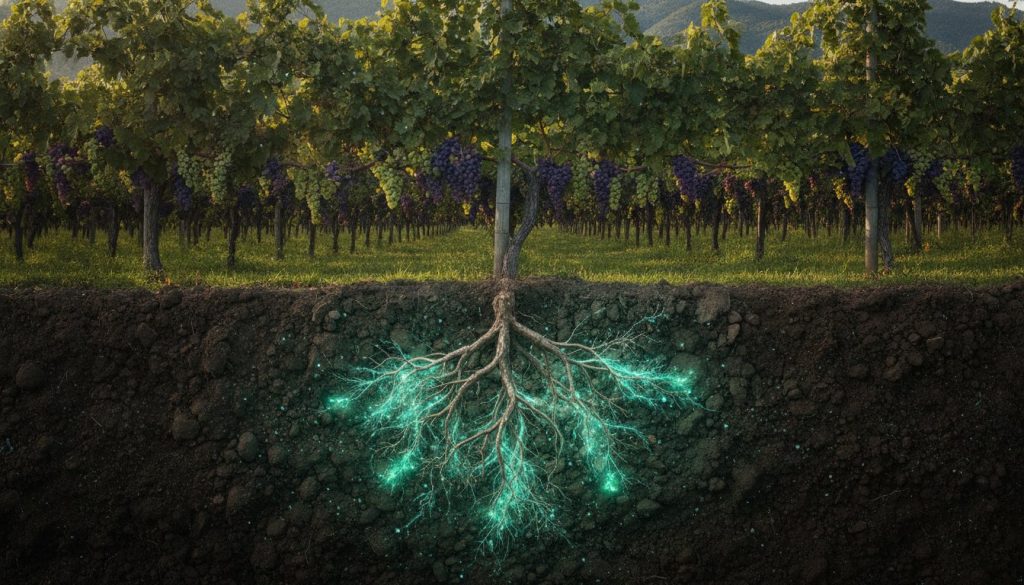
For many New Zealand growers, the vineyard floor has long been treated as a passive stage for vines rather than the complex biological engine it truly is. Implementing biological soil treatments for viticulture isn’t just about adding nutrients; it’s about installing a high-performance operating system that unlocks your land’s natural terroir. We recognise the pressure of the 2026 season, where the shift towards regenerative viticulture meets the urgent need for cost efficiency and environmental stewardship.
You’ve likely noticed that relying on synthetic inputs feels like a treadmill of increasing costs and diminishing returns. Whether you’re managing blocks in Marlborough or Hawke’s Bay, the challenges of soil compaction and locked-up nutrients often lead to inconsistent brix levels and vines that struggle under drought stress. This guide reveals how advanced microbial technologies restore the delicate balance of your soil to optimise nutrient uptake and build genuine long-term resilience. We will explore the science of soil structure, the path to BioGro certified organic compliance, and practical ways to integrate these liquid solutions into your existing vineyard management programme to ensure your fruit quality remains consistent year after year.
Key Takeaways
- Learn how moving beyond the traditional NPK model to restore the soil food web can unlock your vineyard’s natural terroir and fruit quality.
- Understand the precise role of photosynthetic bacteria in the rhizosphere and how they actively convert organic matter into plant-available nutrients.
- Discover why liquid biological soil treatments for viticulture offer superior application efficiency and faster activation times compared to traditional bulk amendments.
- Identify the critical seasonal windows for application to ensure optimal soil temperature and moisture for successful microbial establishment.
- Explore how BioGro certified technologies like Quantum Organic-Total® build drought resilience and consistent fruit quality across New Zealand’s unique wine regions.
The Evolution of Soil Health in Modern Viticulture
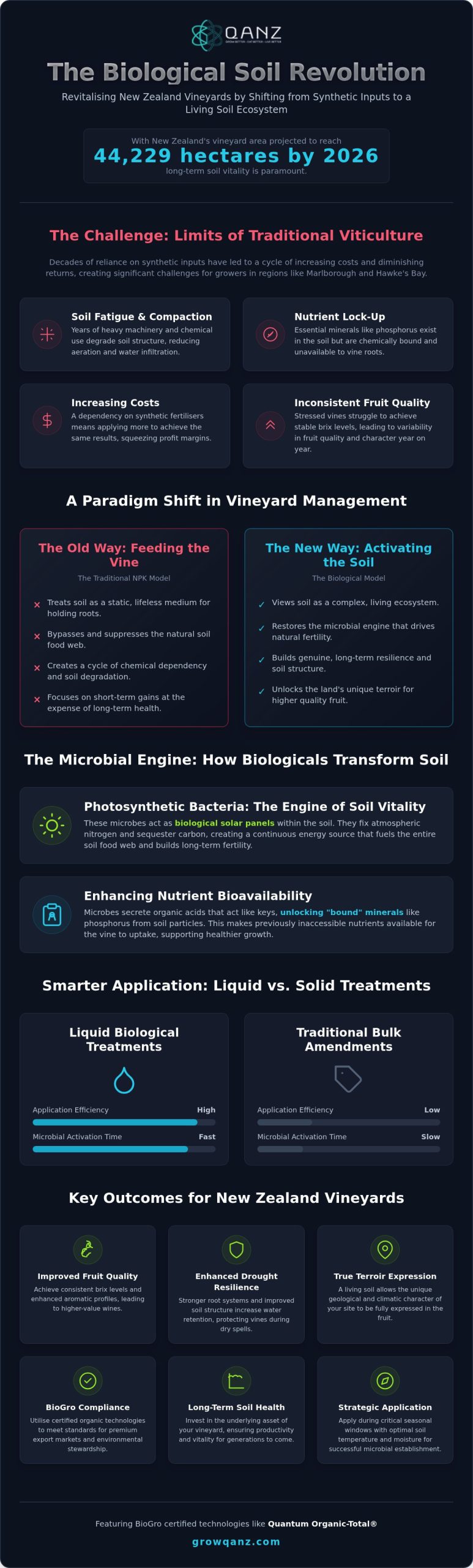
The New Zealand wine industry operates on a scale that demands both precision and ecological foresight. With a total planted vineyard area predicted to reach 44,229 hectares in 2026, the focus has shifted from mere yield to long-term vitality. Biological soil treatments for viticulture represent this shift; they are live microbial inoculants designed to restore the complex soil food web rather than just delivering a chemical hit. While the traditional NPK model served a purpose in the early days of expansion, it’s increasingly seen as a limited framework for high-value viticulture. It treats the soil as a static medium, often ignoring the biological interactions that determine fruit quality and vine longevity.
Many established blocks in regions like Marlborough or Central Otago are now facing “soil fatigue”. This condition occurs when years of synthetic inputs and heavy machinery use lead to compaction and a decline in microbial populations. The result is nutrient lock-up, where plenty of minerals exist in the soil but remain inaccessible to the vine’s root system.
Why Traditional Chemical Models are Reaching Capacity
Heavy reliance on synthetic fertilisers can create a cycle of dependency that eventually erodes soil structure. When we bypass the natural microbial processes to feed the vine directly, we inadvertently suppress the very organisms that protect against pathogens and drought. This degradation makes vines more vulnerable to environmental stressors, which is a significant risk as climate patterns become more erratic. Economic pressures in 2026, including a more competitive global market, are driving a move toward biological efficiency. Growers are finding that increasing synthetic applications no longer yields the same marginal gains, prompting a switch to biological soil treatments for viticulture to restore natural fertility.
The Role of Biologicals in Modern Terroir Management
Microbes act as the primary interface between the geology of a vineyard and the character of the finished wine. By enhancing the rhizosphere with diverse microbial populations, growers can better express the unique characteristics of their land. These principles are rooted in historical practices like biodynamic agriculture, which views the vineyard as a self-sustaining organism. By fostering these natural relationships, we can enhance the aromatic profile and structural complexity of the fruit.
For New Zealand producers, maintaining BioGro certification is often a commercial necessity for entering premium export markets. Transitioning from “feeding the vine” to “activating the soil” ensures that the vineyard remains productive without relying on synthetic interference. This biological activation helps stabilise brix levels and improves fruit consistency, even during the cooler, extended growing seasons that characterised the 2026 vintage. It’s a method that prioritises the long-term health of the land over temporary, chemical-driven gains.
How Microbial Inoculants Transform Vineyard Soil Biology
Microbes are the primary drivers of vineyard health. Biological soil treatments for viticulture introduce specific microbial consortia that perform technical tasks synthetic fertilisers simply can’t replicate. These inoculants don’t just sit in the soil; they actively remodel the rhizosphere to support the vine’s physiological needs. By introducing live, functional organisms, we’re essentially restarting the biological engine that drives nutrient availability and soil structure.
Photosynthetic Bacteria: The Engine of Soil Vitality
The specific strains found in Quantum Organic-Total® act as biological solar panels within the soil profile. By fixing nitrogen from the atmosphere and sequestering carbon naturally, these bacteria provide a continuous energy source for the wider microbial community. This process strengthens the soil’s energy cycle and builds a reservoir of long-term fertility. It’s a natural way to boost the vine’s resilience without relying on the boom-and-bust cycle of chemical applications.
Enhancing Nutrient Bioavailability and Uptake
A common issue in established New Zealand vineyards is the accumulation of “bound” phosphorus and trace elements that the vine cannot access. Microbes address this by secreting organic acids that unlock these minerals from soil particles. This increased bioavailability directly supports healthy vine sap flow, ensuring that essential elements reach the developing fruit. Microbial enzymes facilitate the conversion of complex organic compounds into simple, plant-available ions through a process known as nutrient cycling.
Beyond chemical transformations, microbes improve the physical architecture of the vineyard floor. They produce biological glues that bind soil particles into stable aggregates, a process called flocculation. This creates a porous soil structure that significantly increases water-holding capacity and aeration. In regions like Hawke’s Bay or Marlborough, where drought stress is a recurring concern, this improved moisture retention is vital for maintaining vine health through the peak of summer.
The relationship between microbes and the vine’s root system is deeply symbiotic. The vine provides sugars as exudates to the microbes, and in return, the microbes provide nutrients and protection against soil-borne pathogens. Understanding these interactions allows growers to make informed decisions about their microbial soil health programme. By fostering a high-performance rhizosphere, you’re not just growing grapes; you’re cultivating a resilient ecosystem capable of withstanding the pressures of the modern climate while maintaining exceptional fruit quality.
Choosing the Right Biological Approach: Liquid vs. Solid Treatments
Deciding between liquid and solid amendments is a fundamental choice that dictates both your logistical overhead and the speed of biological recovery. While bulk compost and solid granules are traditional methods for increasing soil carbon, they often lack the precision and immediate efficacy required for modern, high-performance viticulture. Biological soil treatments for viticulture that utilise liquid microbial technology offer a more targeted approach, allowing for surgical delivery of functional organisms directly where they are most effective.
The Advantages of Liquid Microbial Technology
Liquid inoculants provide a level of operational flexibility that solid amendments cannot match. These solutions integrate seamlessly with existing fertigation systems and boom sprayers, eliminating the need for specialised spreading equipment or intensive manual labour. Because the microbes are already in a liquid suspension, they achieve immediate bioavailability upon contact with the soil. This contrast is significant; where solid granules may sit dormant for weeks awaiting rainfall, liquid treatments begin colonising the rhizosphere the moment they are applied. This speed of activation is crucial when you need to address nutrient lock-up or soil fatigue during active growth phases.
From a cost-effectiveness standpoint, targeted liquid inoculants reduce the volume of material required. Instead of moving tonnes of bulk compost, you’re applying concentrated, BioGro certified microbial consortia. This precision delivery in the drip zone ensures that the most biologically active part of the vineyard receives the highest concentration of beneficial organisms, maximising your return on investment.
When to Use Quantum-VSC® for Stress Management
Quantum-VSC® serves a specific role in managing vegetative stress, a growing concern as New Zealand’s climate patterns become more variable. VSC, or Vegetative Stress Control, is designed to support the vine’s internal resilience against environmental pressures such as drought and temperature extremes. By enhancing the plant’s ability to manage water and nutrients under pressure, it helps maintain consistent brix levels and fruit quality even when conditions are less than ideal.
Integrating Quantum-VSC® into your broader soil health programme provides a proactive buffer. It’s particularly effective when applied during critical phenological stages or in anticipation of heatwaves. For growers in regions like the Wairarapa or North Canterbury, where summer moisture can be scarce, this biological approach offers a reliable way to sustain vine vitality without over-relying on irrigation. It’s about building a robust biological system that doesn’t just survive stress but thrives in spite of it.
Strategic Application: Maximising Biological Efficacy Across the Seasons
Timing is everything in a biological system. Establishing biological soil treatments for viticulture requires more than just application; it requires alignment with the vine’s natural cycles and environmental conditions. Microbial activity typically peaks when soil temperatures rise above 10 degrees Celsius and moisture levels remain consistent. If the soil is too cold or saturated, the inoculants won’t colonise the rhizosphere effectively. Combining these treatments with multi-species cover crops creates a synergistic effect, as the plant roots provide the carbon necessary to sustain the microbial population throughout the season.
Post-Harvest and Dormancy: Setting the Foundation
After the harvest, the vineyard enters a restorative phase. Applying microbes during this window assists with the breakdown of vine marc and organic residues, recycling nutrients back into the soil profile. This period is also vital for winter root growth, which sets the stage for the following season’s vigour. Preparing the soil microbiome during dormancy ensures that beneficial populations are ready to go as soon as the ground warms.
Step 1: Conduct a soil biology assessment to establish a baseline for your specific block. For those planning their long-term budget, the Quantum Organic-Total cost-benefit analysis provides a clear framework for ROI planning.
Spring Bud Burst to Veraison: Driving Growth and Quality
As the sap begins to flow, the vine’s demand for bioavailable nutrients increases rapidly. Supporting this demand during the critical vegetative growth phase is essential for canopy development and fruit set. Managing soil moisture efficiency during the summer heat is another key benefit of a healthy microbiome, as microbes help the soil retain water more effectively.
Step 2: Apply liquid inoculants during early spring sap flow for maximum uptake. These microbes ensure that phosphorus and trace elements are ready for the vine as it builds its canopy. During the dry summer months common in Marlborough or Central Otago, a well-established microbial community improves moisture efficiency, helping the vine maintain fruit quality through to veraison. To see how these solutions fit your specific needs, you can browse our full range of fruit and nut crop microbial solutions.
The GrowQanz Advantage: Quantum Organic-Total® and Quantum-VSC®
GrowQanz stands as a dedicated partner for the New Zealand viticulture sector, providing advanced microbial technologies that bridge the gap between complex soil science and practical vineyard operations. Unlike generic, single-strain products, our Quantum range offers a robust microbial consortium that addresses the diverse needs of the soil ecosystem. By choosing biological soil treatments for viticulture backed by rigorous scientific verification, you’re investing in a stable, evidence-based system that prioritises long-term ecological health over temporary gains. Our approach focuses on restoring the natural functionality of your land, ensuring that every application contributes to a more resilient and productive vineyard.
BioGro NZ Certified: Trust and Integrity in Every Litre
Maintaining the integrity of your wine’s organic status is paramount for success in premium global markets. Both Quantum Organic-Total® and Quantum-VSC® are BioGro New Zealand certified, ensuring they meet the strictest standards for organic production. This certification guarantees that our products contain 100% natural microbial technology with zero harmful synthetic residues, allowing you to build soil vitality while remaining fully compliant with Sustainable Winegrowing New Zealand (SWNZ) standards. For those managing diverse estates, these same principles apply to our microbial soil amendments for nut orchards, ensuring consistency and environmental safety across your entire agricultural operation.
Getting Started with a Biological Soil Programme
Transitioning to a biological model doesn’t require a total overhaul of your existing management practices. Our liquid-based solutions are designed for easy integration into your current irrigation or spray programmes, making the adoption of biological soil treatments for viticulture a straightforward process. If you’re establishing new blocks or replanting, these technologies are particularly effective when using microbial strategies for reducing transplant shock by providing immediate microbial support to developing root systems. This early intervention establishes a high-performance rhizosphere from day one, setting the stage for faster establishment and earlier production.
We encourage growers to select a specific block, perhaps one struggling with soil fatigue or nutrient lock-up, to trial the Quantum product range and witness the tangible results firsthand. Our team of experts provides technical support and custom application rates tailored to the specific soil profiles of your region, from the stony soils of the Wairau Plain to the heavy clays of Northland. By working closely with our specialists, you can develop a soil health programme that addresses your vineyard’s unique challenges while optimising fruit quality. Contact GrowQanz today to discuss how we can help you unlock your land’s natural potential for the 2026 season and beyond.
Securing the Future of New Zealand Viticulture
The transition toward regenerative practices is no longer a niche pursuit; it’s a strategic necessity for the modern grower. We’ve explored how biological soil treatments for viticulture move beyond the limitations of the NPK model to activate the soil’s natural nutrient cycling and water-holding capacity. By focusing on the precision of liquid microbial technology, you can reduce the logistical burden of bulk amendments while achieving faster, more reliable results in the rhizosphere. These BioGro New Zealand certified solutions offer a pathway to consistent fruit quality and long-term vine health without the cycle of synthetic dependency.
As a scientific innovator with a deep connection to the field, GrowQanz provides the evidence-based tools you need to build resilience against environmental stress. Our Quantum product range delivers proven results for high-value viticulture, ensuring your vineyard remains a productive, self-sustaining ecosystem for years to come. It’s time to move toward a more principled, biological approach that respects the integrity of your land and the demands of the global market. Optimise your vineyard’s soil health with GrowQanz today and take the first step toward a more vital, sustainable harvest.
Frequently Asked Questions
What are the primary benefits of biological soil treatments for vineyards?
Biological soil treatments for viticulture primarily focus on restoring the soil food web to enhance natural fertility and vine resilience. By introducing functional microbial consortia, growers can expect improved soil structure, better water retention, and more consistent brix levels in their fruit. These treatments also unlock bound nutrients in the soil profile, ensuring the vine has access to essential trace elements during critical growth phases, ultimately leading to a more stable and productive vineyard ecosystem.
Can I use biological treatments alongside my existing fertiliser programme?
You can certainly integrate these treatments into your current management plan. Biologicals often increase the efficiency of existing fertiliser programmes by converting complex minerals into bioavailable forms that the vine can easily absorb. This synergy helps to reduce nutrient lock-up, which is a common issue in established blocks where synthetic inputs have been used heavily. By activating the soil biology, you’re ensuring that every dollar spent on nutrition is utilised more effectively by the plant.
How long does it take to see results from microbial soil inoculants?
Visible results from microbial soil inoculants typically appear within a few weeks, although the timeline varies based on soil temperature and moisture levels. While microbial colonisation of the rhizosphere begins almost immediately after application, improvements in vine vigour or leaf colour are generally observed within four to eight weeks. Full restoration of soil structure and significant increases in water-holding capacity are cumulative benefits that become more pronounced over the course of a complete growing season.
Are GrowQanz products like Quantum Organic-Total® safe for organic viticulture?
Quantum Organic-Total® is fully BioGro New Zealand certified, making it an ideal choice for vineyards operating under organic or sustainable certification. The product contains 100% natural microbial technology and is free from synthetic chemicals or harmful residues. This certification provides peace of mind for growers who must comply with the strict standards of Sustainable Winegrowing New Zealand (SWNZ) or those targeting premium export markets that require verified environmental stewardship and product purity.
Do biological treatments help with vineyard drought resistance?
Improving drought resistance is a core benefit of consistent biological soil treatments for viticulture. Microbes produce biological glues that bind soil particles into stable aggregates, which significantly increases the soil’s water-holding capacity. Products like Quantum-VSC® are specifically formulated to help vines manage vegetative stress during periods of low moisture or extreme heat. This biological buffer helps maintain vine health and fruit quality in dry regions like Marlborough or Central Otago without over-relying on irrigation.
What is the best way to apply liquid microbial treatments to grapevines?
Liquid microbial treatments are most effective when applied directly to the root zone via existing fertigation systems or under-vine boom sprayers. Applying the inoculants in the drip zone ensures the beneficial bacteria reach the most active part of the vine’s root system. It’s best to apply these treatments during periods of active sap flow, such as early spring or post-harvest, when soil temperatures are above 10 degrees Celsius and moisture is present to support microbial establishment.
Can biologicals help restore soil health after chemical fumigation?
Biologicals are highly effective at re-establishing the soil microbiome after the disruptive effects of chemical fumigation. Fumigation often leaves the soil sterile, removing both pathogens and the beneficial organisms that support plant health. Introducing a diverse microbial consortium helps to quickly re-populate the soil with functional bacteria that restore nutrient cycling and protect the vine. This proactive restoration prevents opportunistic pathogens from colonising the empty niches in the soil, providing a healthier foundation for new plantings.
Is a BioGro certification necessary for biological inputs in New Zealand?
While not every biological input requires BioGro certification, it is a critical benchmark for quality and compliance in the New Zealand wine industry. Using certified products ensures the inputs are free from synthetic additives and are safe for use in organic systems. For vineyards aiming to maintain their organic status or export to markets with strict residue limits, BioGro certification provides the necessary verification that the soil treatments align with international organic and sustainability standards.
